
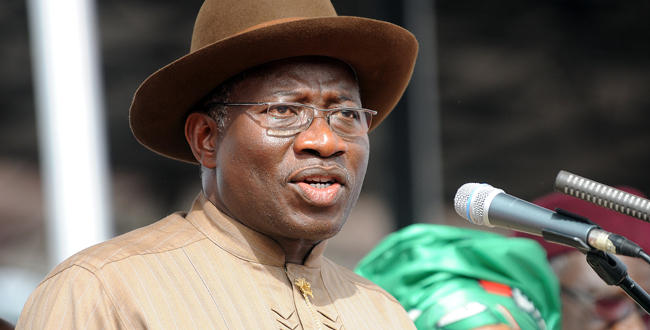
The task force, in its report submitted to President Goodluck Jonathan, also listed wrong business model, poor governance structure and poor maintenance among some of the factors that hindered the existing refineries to operate at optimum capacities.
“The three Nigerian refineries have not been efficiently and safely operated and maintained for more than 15 years. During the same period they have not been able to refine the designed quantities of petroleum products. They have not operated as performance-oriented businesses and are plagued with severe plant maintenance and integrity issues, as well as irregular crude supply and products evacuation. Furthermore, they are beleaguered by poor governance in a non-commercial operating structure, which is considered unsustainable,” the report said.
Investigation by the task force also revealed that inadequate security protection allowed repeated break-ins into the pipelines and stealing of products, leading to excessive operational downtime and product losses.
It said low pumping rates on account of malfunctioning pumps, power generators and other associated pipeline infrastructure accounted for 37% of pipeline downtime, while line breaks accounted for 10% (APP.3.5.4A ).
“In the light of the above, the NRSTF is convinced that though security and line break issues constitute serious challenges to the pipeline operations, the bigger issue is the poor state of the pipeline and depot facilities and the vastly inadequate maintenance attention, deriving substantially from the prevailing poor governance structure and inadequate business model,” the report said.
Investigation by the task force also revealed that inadequate security protection allowed repeated break-ins into the pipelines and stealing of products, leading to excessive operational downtime and product losses.
It said low pumping rates on account of malfunctioning pumps, power generators and other associated pipeline infrastructure accounted for 37% of pipeline downtime, while line breaks accounted for 10% (APP.3.5.4A ).
“In the light of the above, the NRSTF is convinced that though security and line break issues constitute serious challenges to the pipeline operations, the bigger issue is the poor state of the pipeline and depot facilities and the vastly inadequate maintenance attention, deriving substantially from the prevailing poor governance structure and inadequate business model,” the report said.

president jonathgan u are a bokoharam u will die and we will berried u inside aso rock shegea
ReplyDeleteNigerian leaders are too corrupt. Which way out?
ReplyDeleteCorruption is the rule of d game in all d government projects as all d officials are only looking for ways to steal and don't give a fuck about d institution they work.Its from all d way from d top to d bottom.Its only a bloody revolution that will stop these mess and wipe these bastards away.
ReplyDeleteWhat r u waiting for my man,go ahead and start d revolution and see if any Nigerian will join u! Hungry idiot!
ReplyDeleteOur leaders kw what they are doing. One funny thing is dat dey wil do it and go free.
ReplyDeleteTo sell refineries,who wil buy them? u knw dem. God wil judge it. dey neva knw dat millions ar suferin.
ReplyDelete